The Speed or the Distance?
Jun 15, 2026
Written by Pierre-Laurent Verdon
For the leaders who carry change as a conviction, not just a mandate
You did not wait to be asked.
You saw something that needed to change, and you moved toward it. Maybe you built a coalition, earned a seat at the table, or simply refused to accept the way things were. The change you are driving is not a job description. It is closer to a calling.
That is your strength. It is also your blind spot.
When the Conviction Becomes the Cost
Leaders who change organizations from the inside operate on a different kind of fuel. It is not positional authority. It is belief. And belief, sustained over time against resistance, is one of the most energy-intensive states a human being can maintain.
The system you are trying to shift has been in place for years, sometimes decades. It has its own logic, its own immune response, its own gravitational pull. Every day you are pushing against something that was designed, without malice, to stay exactly as it is.
And you keep going. Because you see what others don't yet see. Because stepping back feels like betrayal. Because the change matters too much to slow down.
But here is the question no one around you is asking: at what pace can you sustain this, not for the next quarter, but for the distance this change actually requires?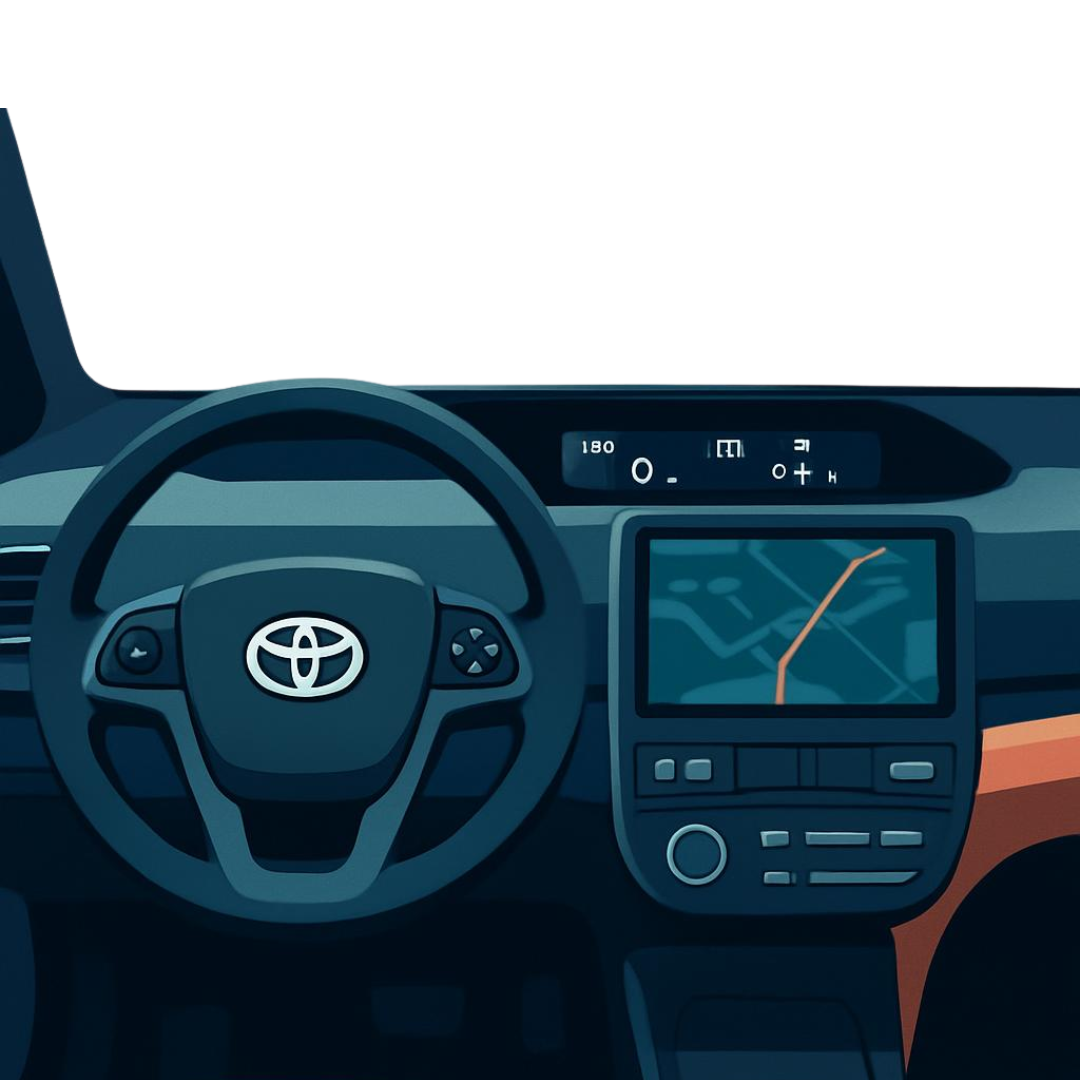
The Prius on the Dashboard
A few weeks ago, talking with my team, we landed on an image that stuck. Maybe it will for you too.
A Toyota Prius.
If you have driven one, you know the dashboard shows you exactly how the car manages energy in real time. What is remarkable is that driving itself recharges the battery. Momentum feeds back into the system. It feels self-sustaining. Almost unlimited.
But it is not unlimited. While the battery does its work, the fuel tank is quietly depleting. And at some point, regardless of how efficiently the car has been running, you have to stop. Plan for a station. Pull over. Fill the tank. There is no workaround. No amount of regenerative energy replaces that stop.
Leaders who drive change from conviction are exactly like this.
The work itself can be energizing. A shift in the room, a colleague who finally gets it, a decision that moves in the right direction: these recharge something real. But they do not refill everything. Underneath, something slower is being consumed. And unlike the Prius driver, most change leaders have no dashboard. They only discover the tank is empty when speed starts to drop, and by then, the organization has already noticed.
The Trap That Comes With Caring
Here is what makes this particularly hard for leaders who change from within.
Your energy is not just professional. It is personal. The change you are driving is connected to something you believe in, perhaps something you have staked your reputation on. Which means slowing down does not just feel inefficient. It feels like a compromise. Like you are letting the resistance win.
Adrenaline feels like energy. Urgency feels like momentum. And when your identity and your mission have fully merged, the warning signs become almost impossible to read from the inside.
This is not a character flaw. It is what happens when you care at this level. But unchecked, it leads to a specific kind of leadership deterioration: decisions made from depletion rather than clarity, relationships managed from exhaustion rather than presence, and a growing gap between the change you are advocating and the energy you can actually bring to it.
The organization feels that gap, even when it cannot name it.
Playing for Distance
The leaders who actually complete transformations, not just initiate them, are not the ones who push hardest in the early years. They are the ones who learned, sometimes the hard way, to manage their energy with the same strategic intentionality they bring to everything else.
That means structurally protected recovery, not theoretically valued, actually protected. Time away from the narrative. Relationships outside the system you are trying to change. Non-negotiable rituals that hold most firmly when the urgency is highest.
And it means developing something most change leaders are never given: an honest read of the state they are operating from, not just what they are doing, but the quality of energy behind it. Bruce Schneider's Energy Leadership framework names this precisely: the question is not simply 'how much energy do I have' but 'from what level am I leading?' A leader running on stress and force, even with the best intentions, depletes the organization around them while depleting themselves. That question is at the center of what we are exploring in our upcoming Paradox Hour session on June 23. If this is landing, I would love to have you there.

The Only Question Worth Asking
Speed gets the change started. Distance is what gets it done.
You were not appointed to this. You chose it. Which means you also get to choose how you carry it. Not with less conviction. With more wisdom about what conviction actually costs, and what it needs to stay alive over time.
The organization does not just need your vision. It needs your presence, sustained, clear, and grounded, for as long as the change takes. That is the real leadership challenge. And it starts with knowing how much fuel you have left.