The Success that Stops Working
Sep 14, 2026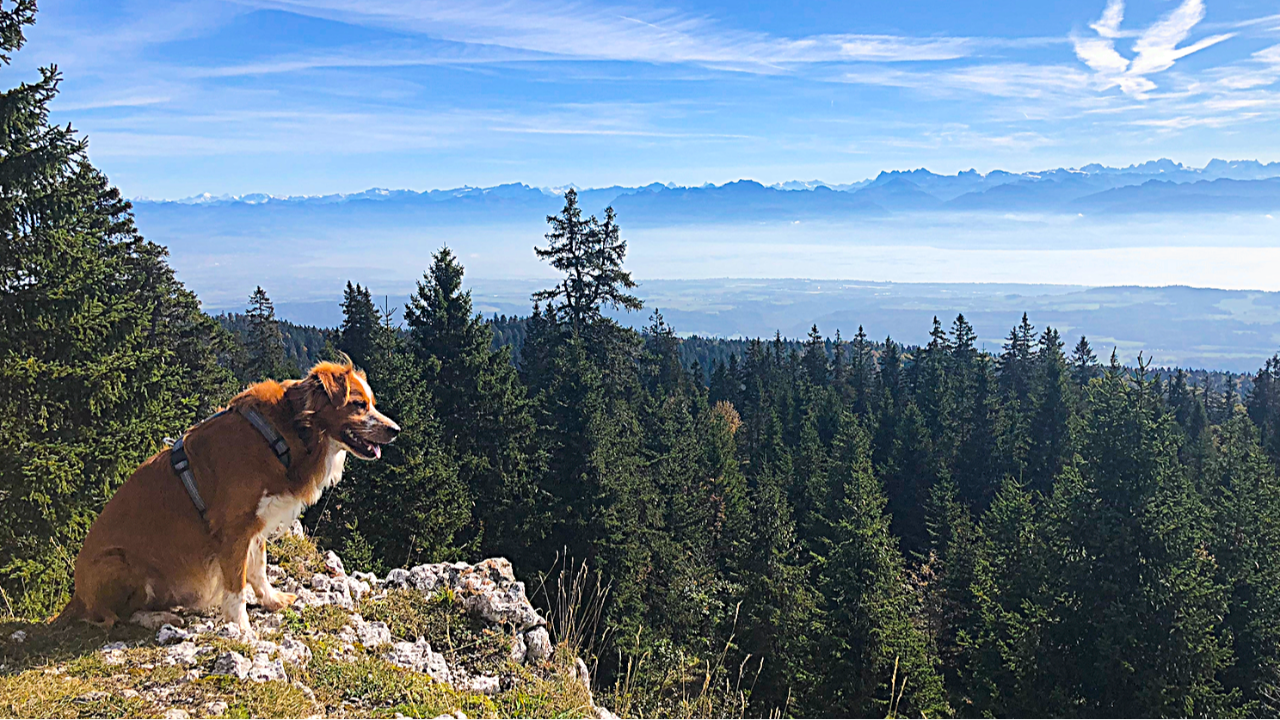
Written by Susan Kuepfer
You got the promotion. Or the ring, or the house, or the quiet Tuesday morning after the last child has moved out. By all your visible measures, you have arrived somewhere you worked hard to reach. And yet something feels subtly off.
Nothing is broken. That is what makes it so confusing.
The paradox nobody warns you about
Here is the strange thing at the centre of every real transition: the exact strengths that carried you this far are the ones you now have to loosen your grip on. Marshall Goldsmith turned it into a book title, What Got You Here Won't Get You There. It reads like a slogan until you are living inside it.
 The same shape, at work and in life
At work, the pattern at least comes with a map. The Leadership Pipeline by Charan, Drotter and Noel describes it well: every level is a genuine passage, not just a bigger version of the last one. You reached the executive table by running your division and running it well: owning the numbers, defending your area of responsibility, making sure your people win. Then, at the executive level, things change. You are still accountable for your own results, but now you are also meant to grow divisions that are not yours, and to strengthen a culture that belongs to everyone. The very drive that got you here, making your part win, is the one that now has to move over. Refuse to loosen that grip and you either fail loudly, or more likely, you plateau, seen as effective and stuck in your corner.
Life has the same architecture with less of the signposting. The fierce self-reliance that got you through a hard decade becomes the wall your closest people keep bumping into. The competence you built to keep everyone safe starts to read, to your grown children, as control. Nobody hands you a new job description. The role simply changes underneath you, and you are left wondering why the old brilliance keeps missing. My own messy example
I am 63. For my whole life the engine was simple: keep going. Be the dynamo, do the next thing, then the next. It built a career and a practice and it rarely let me down. But the next chapter of my life cannot run on that engine. My body has started sending the invoice. There is the daily tiredness, and underneath it a deeper, chronic tiredness that a good night's sleep no longer clears.
What I have not let go of is the picture of myself as the one who does, and does, and does. When I sit down to rest I feel guilty, so I push through instead. And because I never chose to rest, it arrives anyway, as a collapse. The afternoon disappears, nothing gets done, and I end the day dissatisfied with myself.
The wisdom I am reaching for, slowly, is this: rest is not the opposite of doing. It is part of the doing. Chosen rest restores. Collapsed rest only punishes. The exhaustion is not a sign that I need to rest more at random. It is a sign that I have not yet chosen. The dynamo does not get retired. It gets saved for the few things that deserve it.
Why the hard chapters are gifts
This is where the disruptions earn their keep. A promotion, a wedding, a divorce, a death: each one cracks the routine open. For a while the autopilot stops working, and you are forced to actually look. That gap is not the problem to be closed as fast as possible. It is the rare chance to zoom out and ask what this next stretch of the climb needs, before you fill the space back up with the old habits out of sheer momentum.
Living in the mountains, I think of it the way a ridge changes what you can see. Down in the routine, your head is on the next step. Gain a little height and, for a moment, you can see both valleys at once: the one you climbed out of, and the one ahead. They are not the same terrain. They will not reward the same walking. Something to do with the height while you have it
Take three questions and 15 minutes of thinking, with pen and paper.
What got me here?
Name the two or three strengths, habits or beliefs that genuinely earned this chapter. Be specific, and be generous about it. These served you well. This is not a list of flaws.
What does the next chapter actually ask for?
What does the new role, the new relationship, the new season most likely require? Then sit in the gap between the two lists, without rushing to close it. The gap is the whole point.
What do I need to let go of?
Here is where most people get it wrong. Letting go rarely means deleting. It means demoting. The old strength does not get thrown out. It moves from the driver's seat to the glovebox: still there, still yours, available the moment you consciously reach for it, but no longer steering by default. Control becomes a tool you pick up on purpose instead of a reflex that runs the day. Identify one clear behaviour, a tiny little 1% behaviour, that helps you make this move.
The part that stings
The hard bit is not spotting the strength. It is grieving it a little. Something that was central to who you were becomes optional, and that can feel like a loss even when it is growth.
So the invitation, next time a chapter closes and another opens: resist filling the silence with the old competence just because it is nearest to hand. Get some height first. Look at both valleys.