The Impossible Choice Smart Leaders Face Under Pressure
Feb 01, 2026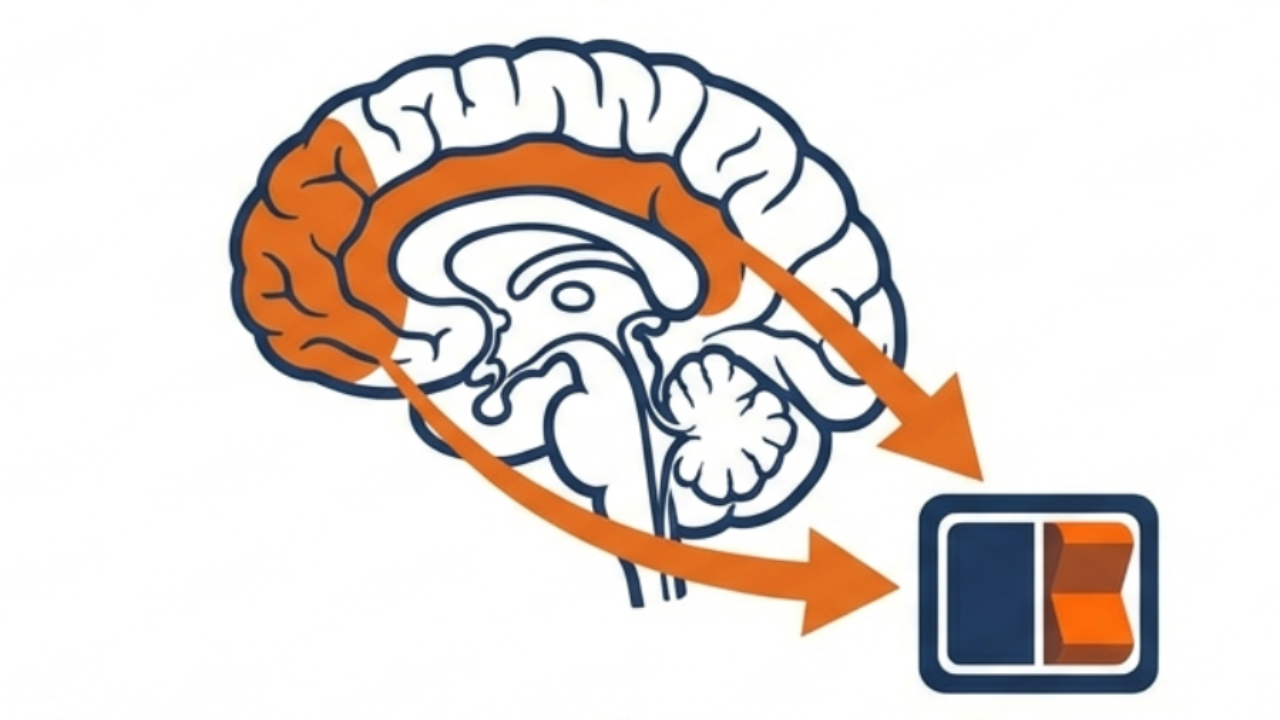
Written by Pierre-Laurent (PILO) Verdon
It all starts with the context. We live in a VUCA world (Volatile, Uncertain, Complex and Ambiguous). For all of us, it means making choices in a context that is unclear. For leaders, it means making high stake decisions with incomplete data, and those decisions involve others: their team, their organization, their company.
In the face of complexity, leaders often feel overwhelmed mentally and emotionally. When that happens, many of us simplify reality into two opposite choices. We see the path forward splitting in two. Either left or right. At that point, choosing one side feels simpler.
This natural attempt to simplify is often rooted in a threat response. Under uncertainty, the brain can treat ambiguity like risk. In leadership, this response is often triggered by a loss of control, uncertainty, perceived unfairness, or disconnection. When we feel a threat, we narrow our field of attention, we seek quick clarity, and we move into "either/or" thinking. In that state, we lose access to our prefrontal cortex, the part of the brain that supports perspective, creativity, and the ability to hold multiple options at once.
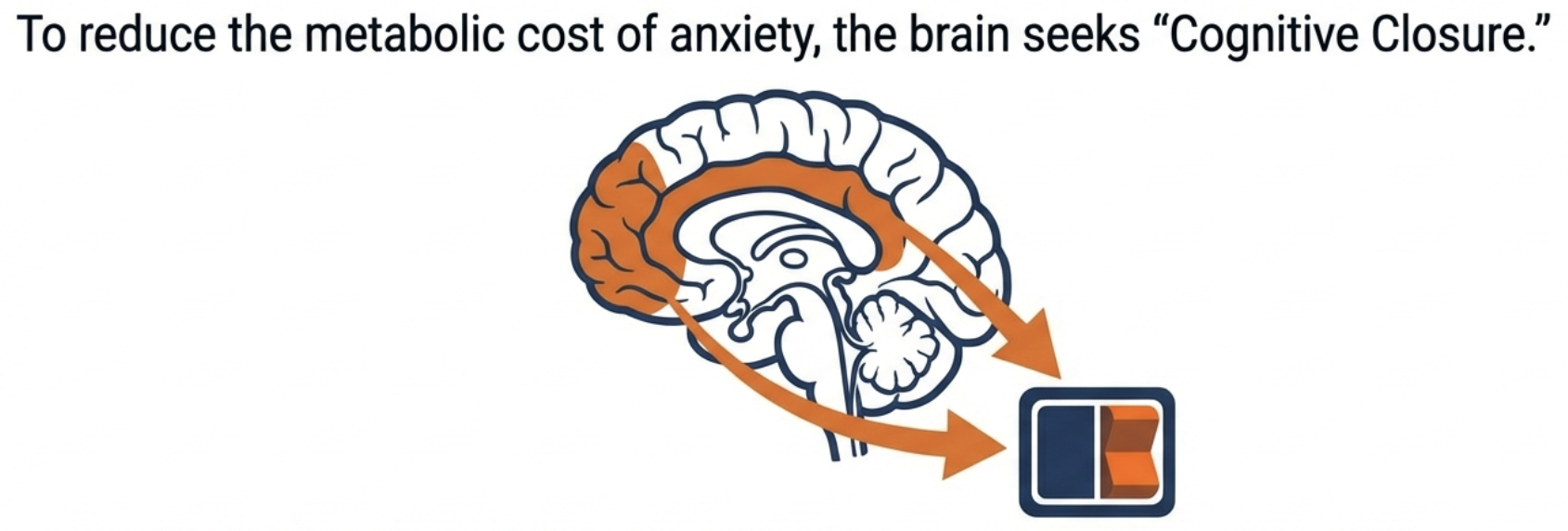
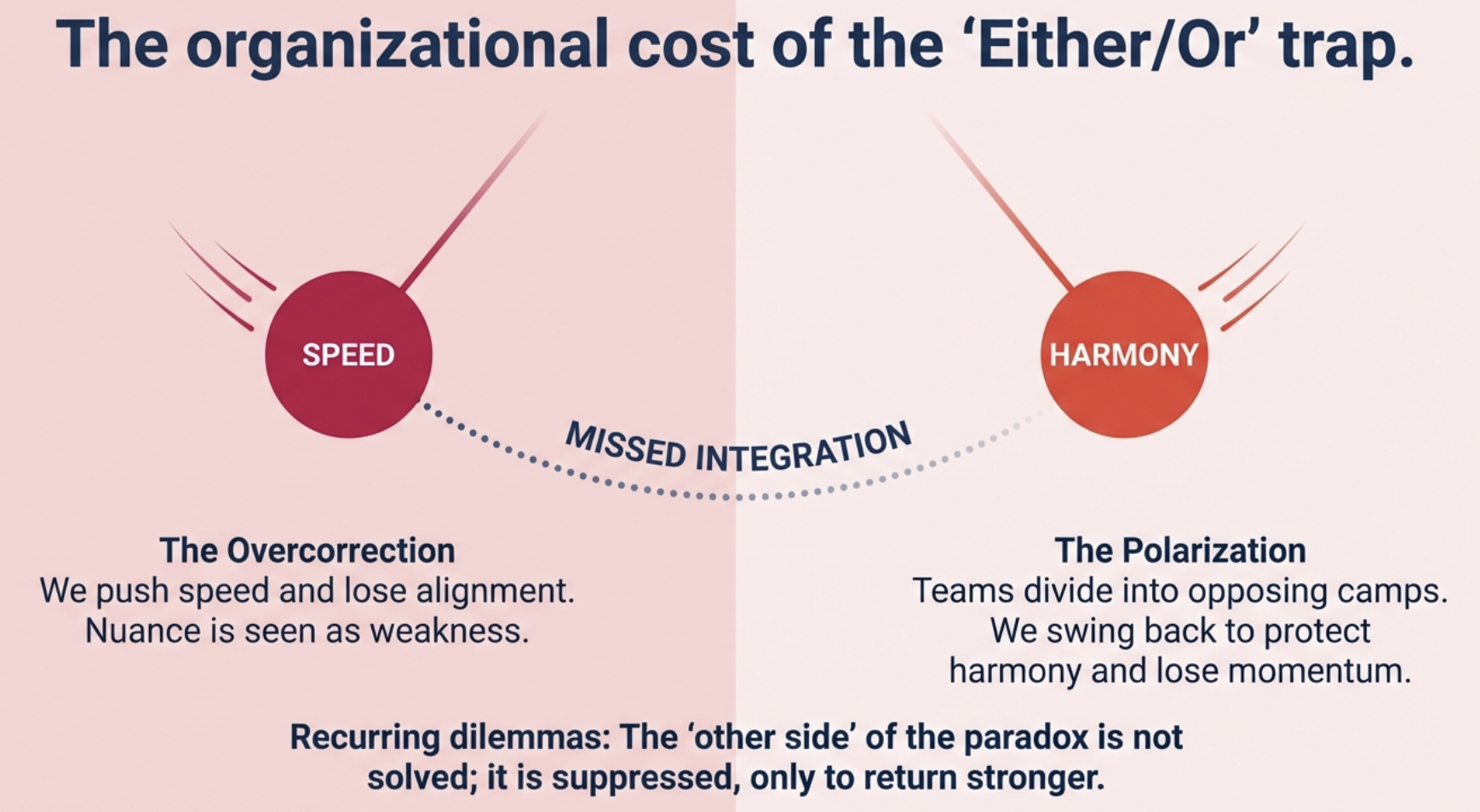
And here is what makes it worse. The more pressure we feel, the more we crave resolution. So we grab one side of the dilemma to reduce discomfort quickly. In the short term, it feels like progress. But it often creates side effects that increase tension: people feel unheard, trade-offs become invisible, and the “other side” of the paradox comes back stronger later. We overcorrect. We push speed and lose alignment, or we protect harmony and avoid the real conversation. Teams become more polarized. Over time, leaders can become more reactive and more tired, and the organization reinforces the pattern: speed is rewarded, doubt is avoided, and nuance is seen as weakness. The result is predictable: recurring dilemmas, repeated conflicts, and the sense of being stuck in the same discussions.
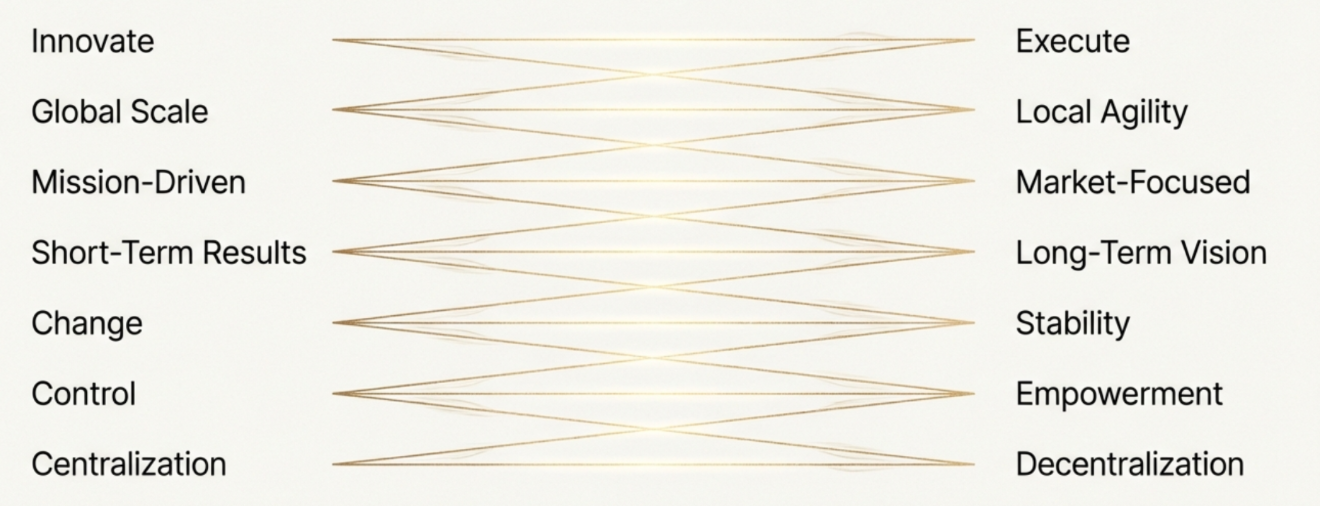
So the real move is not to pick faster, but to widen the field. This is where paradox work becomes practical. Our approach is to name the opposite choices when we face them. Make them real. Lay them out in front of our eyes. This helps us become aware of our own binary perspective, and it can reduce the threat response because it creates clarity without forcing a premature conclusion. Then we explore the range between the two opposites. For example, where am I on the spectrum of short-term versus long-term? Relationship versus results? Then we explore the benefits and the limits of each extreme. What is each side trying to protect? What would be lost if I overinvest in only one?
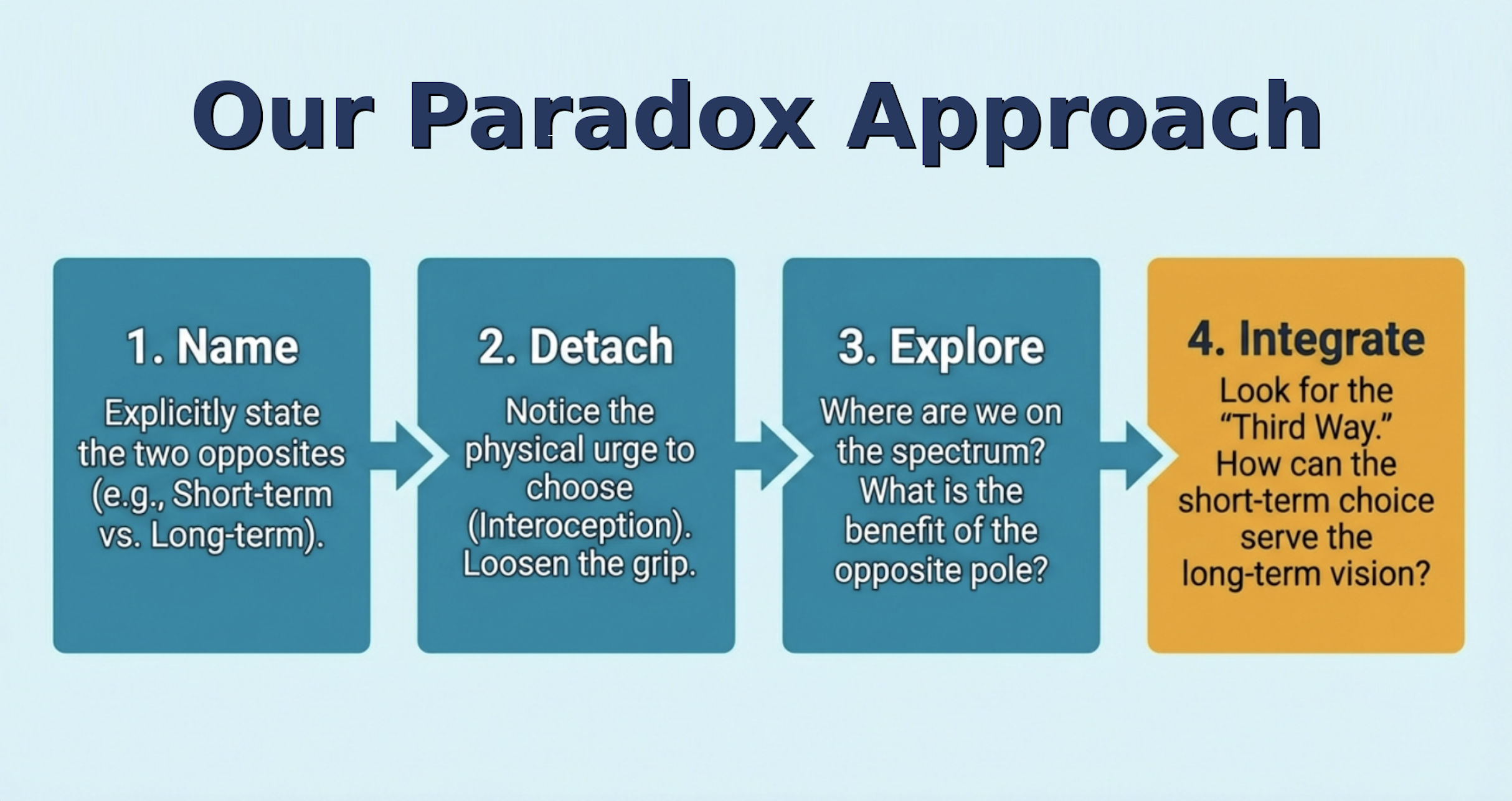
We go deep. We play with the opposites. And often, the two perspectives start to merge and reveal new options that integrate both. The short term can help me test and refine a vision, and the vision can give direction to short-term choices. I need to care for my team to deliver results, and driving results can also be a way to care, because it creates clarity, pride, and growth.
Of course, exploring opposites has some preconditions: being open, curious, and a bit playful. It also requires detachment. It asks us to loosen our grip on one perspective long enough to genuinely try on the other. And it requires trust that, with enough exploration, integration can emerge.
This is not a new approach for us. We have practiced this tool for years with teams and with individual clients. It helps people discover new perspectives. It brings new ideas and invites change. Once leaders learn to move beyond a binary perspective, they rarely go back. They are not stuck anymore. They move forward and keep progressing.