Your argument was good. It still went nowhere.
A short, working course for leaders of change on influencing the people who decide things around you.
One real decision, the five to eight people who shape it, and a way to move the ones who need moving. Built on the research, not on a bag of tricks.
The Problem
You already know how to build a case.
That was never the problem.
You have watched a weaker argument win because the right person made it. You have made your point in a meeting and watched it land three weeks later, in someone else’s mouth, to applause. You have raised the same thing twice and gotten nowhere, and been told you need to “communicate better,” which helped nobody.
The issue is almost never the quality of your thinking. It is that influence is not an argument contest, and the people who rise furthest are the ones who worked that out. This course is how you work it out on purpose, for one decision that actually matters to you right now.
What makes it different
Influence, not manipulation. And we spend a whole module on the difference.
Most courses on this subject teach you leverage and hope you do not ask what it costs. This one starts by ruling out the tactics that feel most like power, because the research is clear that they backfire, and because you have to work with these people again on Monday.
What you get instead is a method built on the evidence: how people are actually moved, which approaches earn genuine commitment and which only ever buy compliance, and how to tell, in the room, which conversation you are even in.
For leaders of change
Change is a tension machine. Influence is one of its tensions.
Leaders are trained to solve problems. But the things that decide whether change succeeds are rarely problems with one right answer. They are tensions: two legitimate needs pulling in opposite directions. Move fast, or protect your people. Hold a clear vision, or stay open to adapting it. Drive from the top, or build ownership from the ground. Pick a side and change stalls or snaps back. The leaders who learn to name and hold those tensions reach better, more durable decisions. Researchers call it a paradox mindset, and it is consistently linked to greater creativity, flexibility and performance.
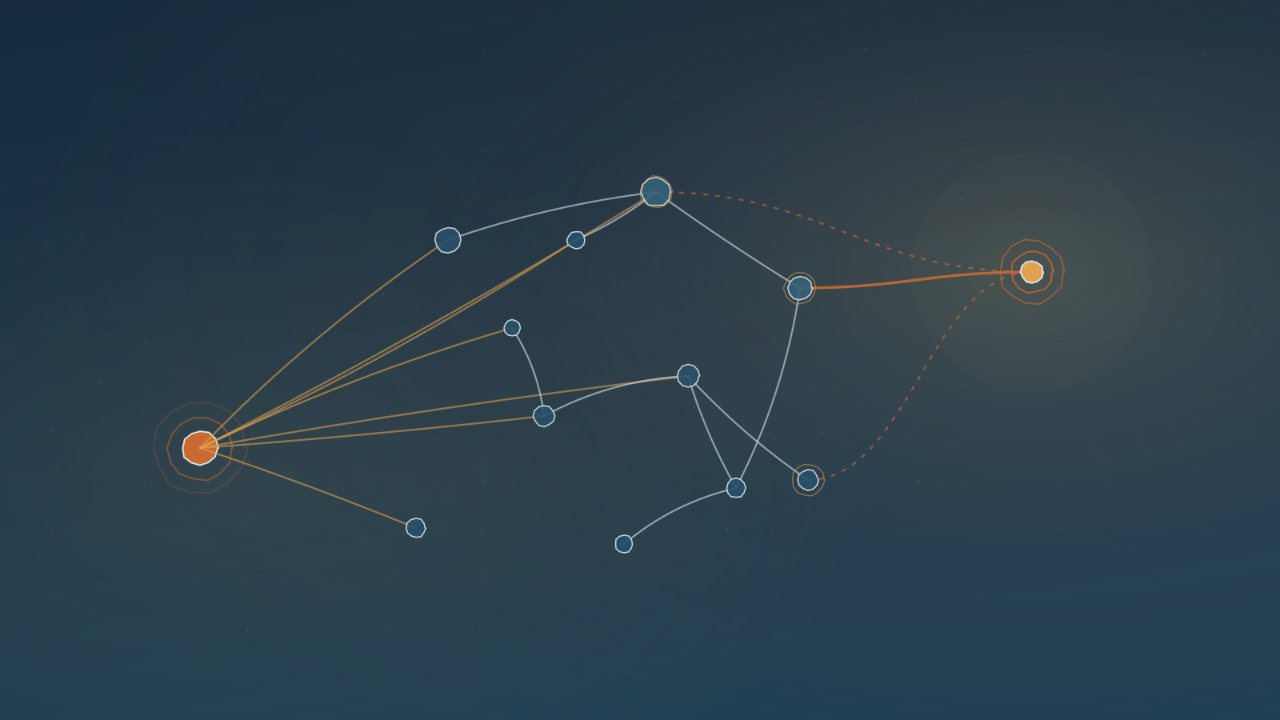
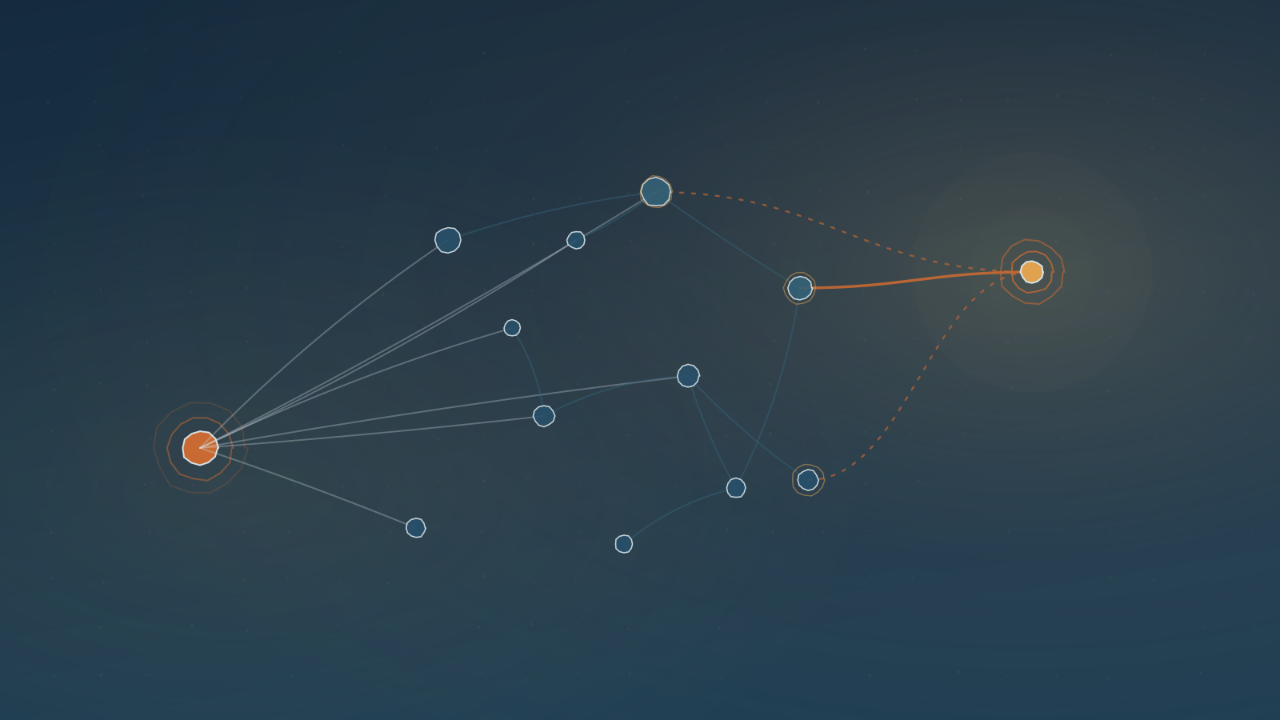
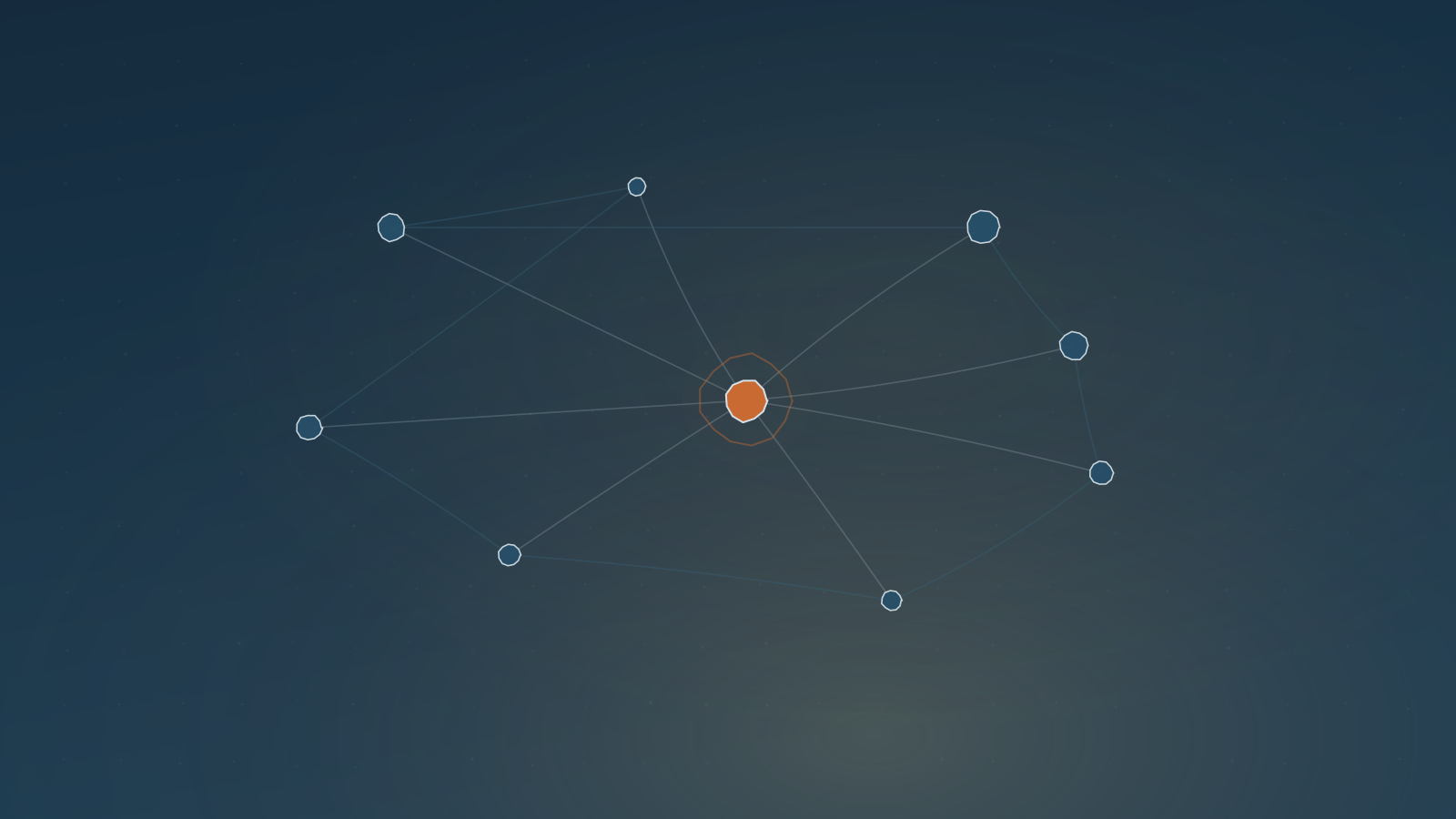
Influencing your stakeholders is one of those tensions, not a problem to be solved. This course is built on that stance the whole way through. Influence or manipulation is a tension it refuses to collapse, and spends a module holding. Winning someone fully over versus simply needing them not to block you is another, and the course tells you plainly not to resolve it by trying to win everyone. How you are seen versus what you need to say is a third, and the method has you work with it rather than fix it. If you already lead change by holding tensions rather than forcing them shut, this course applies that same discipline to the specific problem of moving the people around a decision.
What you will do
A working course, not a watching course.
Over nine short modules you will take one real decision and:
-
Map the five to eight people who genuinely shape it, including the two kinds everyone leaves off.
-
Get an honest read on how you land with each of them, and what that lets you do.
-
Diagnose where each person actually stands, and why, which is where most influence attempts quietly fail.
-
Decide who you need fully behind it, who only needs to not block it, and who to leave alone.
-
Choose an approach for each that fits both the person and the direction you are working in.
-
Write the actual conversations, with a way to back off gracefully when the first move does not land.
-
Come back thirty days later and see what moved.
You will finish with a filled-in map, three scripted conversations you have had, and a method you can run again for the next decision in a fraction of the time.
Who is it for
Built for leaders of leaders.
For leaders of change: the people phasing a reorganisation, funding a shift, changing how a function works, or moving a decision that is not theirs alone to make. If you are driving change and your success depends on people you cannot simply command, this is for you. If you could just go and do the thing, you do not need this course, and it will say so on the first slide.
The Honesty Section
We will tell you which parts are solid and which are judgement.
The influencing half of this course rests on decades of research, and we cite it. The stakeholder-mapping half is a way of thinking clearly, not a tested instrument, and we say so plainly rather than dressing it up. You are being trusted to handle the difference, because you are the kind of person who would rather know.
Format
Short videos. Real templates.
About an hour a module.
Nine modules plus an optional supplement on influencing up, across and down. Work through it over a few weeks. Everything lives in one downloadable workbook, and every module ends with something specific you have written down, because the thinking happens on the page, not on the screen.